...
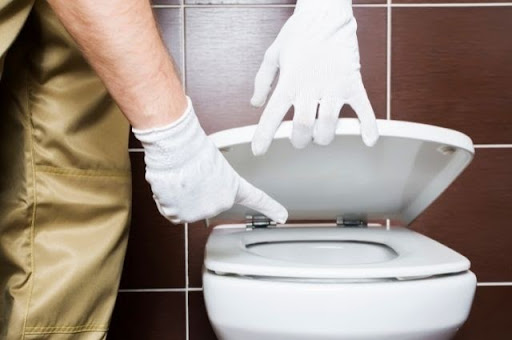
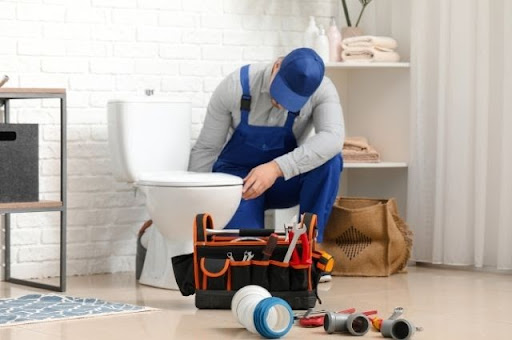
professional installing toilet

A toilet that isn’t working right can be a real headache. It can lead to water leaks, frequent clogs, and higher water bills, all of which signal it might be time for a new toilet installation.

Homeowners often wonder if they can install a toilet themselves or if they should hire a professional. This decision can depend on your skills and how complex the job is, especially if it involves plumbing modifications or repairs to surrounding areas like drywall.

This guide will walk you through the factors influencing cost, the installation process, and help you make informed decisions for your project.

5 Factors That Affect the Cost of Toilet Installation

The cost to install a toilet isn’t a one-size-fits-all number. Several factors play a role in the final price tag. When you’re budgeting for a new toilet, it’s important to consider all these elements to get an accurate estimate of your overall toilet installation costs.

Here are the main factors that can influence the cost:

  1. Type of Toilet
  2. Labor Costs
  3. Existing Plumbing Conditions
  4. Local Regulations and Permits
  5. Additional Materials and Complexity

Let’s look at each of these in more detail.

1. Type of Toilet

The model of toilet you choose is one of the most significant factors in the total installation cost.

A basic, builder-grade two-piece toilet is your most budget-friendly option, as these units are widely available and perform well for most households. At the high end, smart toilets with luxury features like heated seats, bidet functions, and self-cleaning capabilities can start at $400 and easily exceed $1,500.

Your costs will also increase if you opt for a sleek one-piece toilet or a wall-mounted unit, which requires significant plumbing modifications within the wall. The added complexity of installing these advanced or non-standard models will almost always add to your labor costs as well.

2. Labor Costs

If you hire a professional, the cost of their labor will be a major portion of your final bill.

Plumbers typically charge by the hour, and their rates will vary based on your location and their level of experience. If you have solid DIY plumbing experience and are simply replacing a standard toilet, you might consider installing it yourself to eliminate this expense entirely. However, you should be aware of the risks, as mistakes can lead to leaks and water damage.

Your labor costs will be higher for emergency or after-hours work. Furthermore, if the installation proves to be complex—requiring extra time to solve unforeseen problems—your total labor bill will naturally rise.

3. Existing Plumbing Conditions

The current condition of your home’s plumbing is a major variable that can significantly change your total cost.

You won’t know the true state of the plumbing until the old toilet is removed, and any issues discovered at that point will lead to additional expenses.

Your costs will increase significantly if the plumber finds problems like a damaged toilet flange (the part connecting the toilet to the drain), a rotten subfloor from a previous leak, or an improperly located water supply line. For example, if the footprint of your new toilet doesn’t cover the area of the old one, or if water damage is present, you may need to factor in flooring repairs. In a worst-case scenario, if the existing drain lines are old or in poor condition, new plumbing may need to be installed, adding considerable expense.

4. Local Regulations and Permits

Depending on where you live, you may be required to obtain a permit for a toilet installation.

This is especially true if you are moving the toilet’s location or making any significant changes to the plumbing. To avoid unexpected costs and delays, you should check with your local municipal office about permit requirements before any work begins.

If a permit is needed, the fee itself will add to your project cost. Additionally, a required inspection could extend your timeline or, if an issue is found, force you to complete other work to bring your plumbing up to the current code, further increasing the total expense.

5. Additional Materials and Installation Complexity

Beyond the toilet unit itself, you will need to account for the cost of additional materials.

For a standard replacement, these extra costs are usually low. You will always need a new wax ring, which typically costs between $5 and $50, and you may also need to purchase new mounting bolts or a flexible water supply line.

Your costs will rise significantly if the installation is more complex. For instance, installing a wall-hung toilet requires extensive work inside the wall. Similarly, many smart toilets require a nearby electrical outlet for their features to function, which may mean hiring an electrician in addition to a plumber, adding to both material and labor costs.

What to Expect During a Toilet Installation

plumber inspecting a toilet

The toilet installation process is fairly standard, though it can have a few variables. Knowing the steps involved can help you understand what a professional installer will do, or what you’ll need to tackle if you choose the DIY route.

Typically, the process begins with turning off the water supply and draining the old toilet. The installer will then remove the old toilet unit. Next comes an important step: inspecting the existing plumbing. This includes checking the water supply line and the toilet flange (the fitting on the floor that connects to the drain pipe). This inspection helps identify any potential issues, like a cracked flange or floor damage, that need addressing before the new toilet can be set.

Once the area is prepared, the new toilet unit is carefully placed. A new wax ring is installed on the flange or the base of the toilet; this is crucial to create a watertight seal and prevent leaks, which could otherwise cause significant damage and increase the overall cost. The toilet is then bolted to the floor, and the water supply line is connected.

The installation process might also involve additional plumbing work. For example, if the old supply line is corroded, it will need to be replaced. Installing a bidet seat or a smart toilet might require modifications or even new electrical connections nearby.

Hiring a professional installer for your new toilet offers peace of mind. They have the experience to ensure the job is done correctly and efficiently, significantly reducing the risk of future leaks, wobbling, or other problems. While it adds to the upfront toilet cost, professional installation can save money in the long run by preventing costly water damage or the need for repeat repairs.

How to Know if You Need a New Toilet

toilet needing replacement

Sometimes, it’s obvious you need a new toilet, like during a bathroom remodel. Other times, your current toilet might be giving you signs that it’s time for a replacement. Addressing these common issues by installing a new toilet can improve your bathroom’s function and efficiency.

Wobbling Toilet

If your toilet rocks or feels unstable, it could be due to loose bolts securing it to the floor or a deteriorated wax seal.

If tightening the bolts or replacing the wax ring doesn’t fix it, the flange itself might be broken, or the floor underneath could be damaged. A persistent wobble can lead to leaks from a failed wax seal.

If these leaks are severe and prolonged, they could cause water damage to the subfloor or even adjacent drywall, leading to more extensive repairs.

Frequent Clogs

Everyone experiences an occasional clog. But if your toilet clogs regularly, even with normal use, it might indicate a problem with the toilet’s flushing mechanism or an issue further down the drain lines.

An older, less powerful toilet might simply not be up to the task anymore. A new toilet, especially a model designed for stronger flushing, can often resolve this.

Constantly Running Toilet

If you hear water running in your toilet for a long time after flushing, or if it runs intermittently on its own, it usually means there’s damage to the toilet’s internal components, like a faulty flapper or fill valve.

This wastes a significant amount of water and can lead to surprisingly high water bills. While these parts can often be replaced, if the toilet is old, constant running can be one of several signs that it’s nearing the end of its lifespan.

Visible Cracks or Leaks

Cracks in the porcelain bowl or tank are a serious issue. Even small cracks can suddenly worsen and cause a major leak.

If you see water pooling around the base of the toilet, it could be a sign of a crack or a failing wax ring. In such cases, replacing the entire toilet unit is usually the safest and most cost-effective solution.

Age and Inefficiency

Older toilets, particularly those manufactured before the mid-1990s, use much more water per flush (3.5 to 7 gallons) compared to modern, efficient toilets (1.6 gallons or less).

Replacing an old toilet with a new, WaterSense-labeled model can conserve water and significantly reduce your water bills. These older toilets may also be more prone to other problems as their parts wear out.

If you’re experiencing these issues, it might be time to consider installing a new toilet.

Which Type of Toilet Is Right for You?

With so many types of toilets on the market, selecting the right one can feel overwhelming. Consider your budget, lifestyle, desired features, and the overall toilet installation cost when making your choice.

Here’s a quick look at common toilet types and their general price categories:

Toilet TypeShort DescriptionPrice Category
Two-Piece ToiletClassic design with a separate tank and bowl.Cheaper to Average
One-Piece ToiletSleek, modern look with an integrated tank and bowl; easier to clean.Average to More Expensive
Wall-Mounted ToiletTank is hidden inside the wall, bowl is mounted; saves space.More Expensive
Smart ToiletOffers advanced features like bidet functions, heated seats, auto-flush.More Expensive
Low-Flow/Efficient ToiletDesigned to use significantly less water per flush (e.g., 1.28 GPF).Average Price

If you are on a tight budget or prefer a traditional look, a two-piece toilet is often the most economical choice. They are widely available, and replacement parts are easy to find. The installation cost for these is generally straightforward.

If you prioritize ease of cleaning and a more modern aesthetic, a one-piece toilet might be a good fit. With no seam between the tank and bowl, there are fewer crevices for dirt to accumulate. They tend to be a bit pricier than two-piece models.

If you have a small bathroom and want a minimalist, contemporary design, a wall-mounted toilet could be ideal. These save floor space and offer a very sleek appearance. However, they are more expensive to purchase and the installation cost is significantly higher due to the need for a wall carrier system and more complex plumbing.

If you desire luxury, enhanced hygiene, and advanced features, a smart toilet is the top-tier option. Features like built-in bidet functions providing warm water, heated seats, automatic lid opening/closing, and air dryers can greatly enhance comfort. These come with the highest toilet cost and may require electrical work, adding to installation expenses.

If water conservation and reducing utility bills are important to you, look for a low-flow or high-efficiency toilet (HET). Many modern toilets, across all design types (one-piece, two-piece), are available in HET versions. These toilets use 1.28 gallons per flush (GPF) or less, compared to older models that could use 3.5 GPF or more. Choosing a WaterSense certified toilet ensures it meets EPA criteria for both performance and efficiency.

When selecting, also consider bowl height (standard vs. comfort/chair height, which is a bit taller and easier for many adults to use) and bowl shape (round front vs. elongated, which many find more comfortable).

A high-quality toilet from a reputable toilet brand can provide years of reliable service, helping to prevent leaks and reducing the need for frequent repairs and replacements.

DIY Toilet Installation Vs. Hiring a Professional

diy toilet installation

When it’s time for a new toilet, many homeowners wonder if they should tackle the installation themselves (the DIY route) or hire a professional plumber. Both options have their pros and cons, and the best choice depends on your skills, tools, time, and the complexity of the job.

Here’s a comparison to help you decide:

DIYHiring a Professional
CostPotentially lower upfront cost (no labor fees).Higher upfront cost (labor + materials).
TimeCan take several hours to a full day for novices.Typically 1-3 hours for a standard replacement.
Skills NeededBasic plumbing knowledge, ability to lift heavy objects, familiarity with tools.Expert knowledge, experience, proper tools.
ToolsMay need to purchase or rent specific tools.Comes fully equipped.
RiskHigher risk of incorrect installation leading to leaks, water damage, or improper function. Mistakes can be costly to fix.Lower risk. Professionals are usually insured and guarantee their work.
ComplexityBest for straightforward, like-for-like replacements.Can handle complex installations, unexpected plumbing issues, and modifications.
WarrantyManufacturer’s warranty on the toilet only. No workmanship warranty.Often provide a warranty on their labor/installation.
ConvenienceYou work on your own schedule.They handle everything, including disposal of the old toilet (usually).

While saving on labor costs by going the DIY route is tempting, toilet installation can be trickier than it looks.

An improperly installed toilet can lead to slow leaks that cause significant water damage over time, a wobbly toilet that damages the wax seal, or even sewer gas escaping into your home. The cost of repairing such mistakes can quickly exceed any initial savings from not hiring a professional.

Most homeowners find that the peace of mind and assurance of a job done right make hiring a qualified plumber the better value. Professionals can quickly identify and address any unforeseen issues with your existing plumbing, ensure the new toilet is installed correctly to prevent leaks and ensure optimal performance, and often dispose of your old toilet for you.

If you’re considering a new toilet installation and want to ensure it’s done correctly and efficiently, reaching out to an expert is a wise step.

Ready for a Flawless Toilet Installation?

Upgrading your toilet can improve your bathroom’s comfort, efficiency, and appearance. While understanding the toilet installation cost involves looking at several factors, from the toilet cost itself to potential labor costs for complex jobs, the long-term benefits often make it a smart investment.

Whether you’re dealing with a malfunctioning toilet or simply want an upgrade, a professional installation ensures the job is done right.

If you’re ready to install a new toilet and want to ensure it’s handled by experts, we’re here to help. Our experienced team can guide you through selecting the right toilet for your needs and budget, and provide a seamless, professional installation.

Contact Stellar Plumbing today for a consultation and estimate for your toilet installation project!

Frequently Asked Questions

What are the main factors that affect toilet installation cost?

Answer: Several factors influence the final price of a new toilet installation. These include the type of toilet you select, labor costs in your area, the condition of your existing plumbing, local permit requirements, and whether additional materials or complex work are needed. You can learn more about managing these expenses by understanding the cost to replace toilet.

How does the type of toilet I choose affect the installation price?

Answer: The toilet unit itself is a major part of the cost, with basic models being more budget-friendly than high-end smart toilets or wall-mounted units. More complex toilets like wall-mounted or smart toilets can also increase labor costs due to intricate installation requirements.

Can I save money by installing a toilet myself?

Answer: You might save on upfront labor fees by installing a simple toilet yourself if you have DIY plumbing experience. However, incorrect installation can lead to costly water damage or other problems, so hiring a professional often provides better value and peace of mind.

When should I consider replacing my old toilet?

Answer: You should consider replacing your toilet if it frequently clogs, constantly runs, wobbles, has visible cracks or leaks, or is an old model that uses excessive water. These issues can lead to higher water bills, water damage, or inconvenience.

Do I need a permit to install a new toilet?

Answer: Depending on your location, you might need a permit for toilet installation, especially if you’re moving plumbing fixtures or making significant changes. It’s always best to check with your local municipal office beforehand to confirm requirements and avoid potential issues.

What are the long-term benefits of installing a new toilet?

Answer: A new toilet offers improved water efficiency, which can reduce your water bills, and enhanced comfort with modern designs and features. You’ll also benefit from increased reliability and durability, meaning fewer repairs and a lasting upgrade to your bathroom.

What extra supplies are typically needed for toilet installation?

Answer: At a minimum, you’ll need a new wax ring to ensure a watertight seal. You might also need new toilet bolts, caps, or a water supply line, especially if the old ones are corroded or worn out.

What happens if my plumber finds problems with my existing plumbing?

Answer: If issues like a damaged toilet flange, rotten subfloor from previous leaks, or outdated drain lines are discovered, they will require extra work and materials to fix. This will add to the overall labor costs and material expenses for your toilet installation project.