...
septic tank pumping

A septic system is a vital part of many homes, especially those not connected to city sewer lines. Understanding how these systems work and the potential costs associated with their repair is important for every homeowner. When something goes wrong with your septic tank, knowing what to expect can save you time, stress, and money. This knowledge is key to managing your household waste effectively and avoiding unexpected septic repair costs.

This guide will explore the key factors influencing septic tank repair expenses and how to keep your system in good shape. Let’s dive in to understand the average repair costs and more!

Average Cost of Septic Tank Repair

While getting a precise “average” cost for every septic tank repair is tricky due to the many variables involved, most homeowners can expect to spend between $600 and $3,000 on average for septic tank repairs.

However, expenses can range considerably based on the specific issue, the size of your tank, and where you live. Minor repairs might cost a few hundred dollars, while extensive problems could lead to significantly higher septic tank costs.

The best way to determine your potential tank repair cost is to get an estimate from licensed professionals.

Septic Systems: The Basics for Homeowners

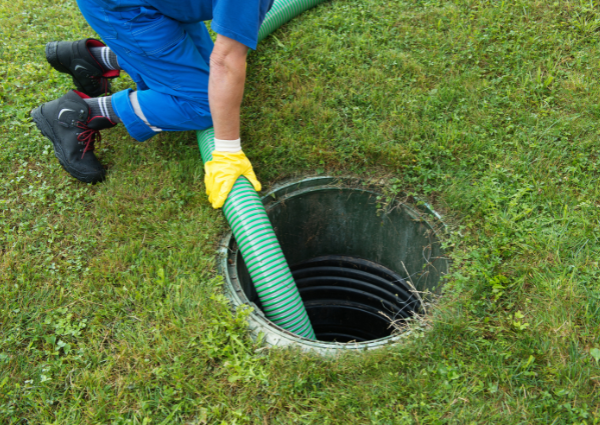
man removing the lid of a septic tank for repair

A septic system is a self-contained, underground wastewater treatment setup designed for homes not connected to municipal sewer lines. These systems typically include two main parts: a septic tank and a drain field (also known as a leach field). The septic tank’s job is to separate and begin treating solid waste, allowing liquids (effluent) to flow out. The drain field then further treats this wastewater by allowing it to percolate into the soil.

It’s important to understand the basics of your system to better address any potential problems. Septic systems include various essential components such as pumps (in some systems), baffles, filters, and distribution boxes, all of which can affect the septic tank repair cost if they malfunction.

What Affects the Cost of a Septic Tank Repair?

The cost of septic tank repair can vary widely. Several elements play a role in determining the final bill. Here’s a table showing the key factors:

FactorHow It Affects Cost
System TypeAerobic vs. Anaerobic systems have different components (like aerobic treatment units), affecting repair needs.
Tank MaterialConcrete, plastic, or fiberglass tanks have different repair requirements and potential material costs.
Damage ExtentMinor cracks vs. major structural issues or component failure lead to different repair costs.
Labor CostsVaries by location, job complexity, and contractor’s rates.
Replacement PartsThe need for new septic tank filters, lids, pipes, pumps, or baffles contributes to the final bill.
Tank SizeLarger tanks may sometimes mean more extensive (and expensive) repairs if the issue relates to capacity.

Let’s explore these factors in more detail:

Type of Septic System

Different types of septic systems, such as conventional anaerobic septic systems and more complex aerobic septic systems (which often include aerobic treatment units), have distinct components. Aerobic systems, for example, may require specialized repairs for their aerators or pumps, which can influence the overall septic repair cost.

Septic Tank Material

The material of your septic tank, whether it’s concrete, plastic, or fiberglass, influences repair methods and costs. For instance, repairing a crack in a concrete septic tank might differ significantly from fixing a plastic tank. A damaged septic tank lid, regardless of tank material, can lead to further problems and add to the tank repair cost.

Extent of Damage

The more severe the damage, the higher the repair costs.

Labor Costs

Labor costs for septic tank repair can fluctuate based on your geographic location, how complicated the job is, and the specific contractor’s rates. Repairing a broken pipe or a main septic line will add to labor expenses due to excavation and specialized work.

Replacement Parts

The cost of replacement parts, such as a septic tank filter, inlet and outlet pipes, baffles, pumps, or a distribution box, will directly impact the total repair costs. The material average cost for these parts can vary.

Septic Tank Size

While not always a direct correlation for all repair types, the size of the septic tank can sometimes affect the cost of repair. For instance, if a larger tank requires more significant intervention or material for a specific repair, costs might be higher.

Types of Septic Tank Repairs & How Much They Cost

Several components in your septic system may require repair from time to time. Here are the various types of repairs you might need:

ComponentDescriptionRepair Cost
Septic Tank LidCovers the septic tank; damage can be a safety hazard and lead to further issues.Varies by material and accessibility
Septic LineCarries wastewater from home to tank or tank to drain field.$600 – $3,800
Leach FieldDisperses treated wastewater into the soil.Rejuvenation: $1,000 – $5,000Replacement: $3,000 – $15,000+
Septic Tank BaffleInlet directs wastewater flow; outlet prevents solids/scum from clogging the leach field.Replacement: $250 – $900 (often $300 – $900)
Septic PumpMoves effluent when gravity flow isn’t possible (e.g., mound systems, uphill drain fields).Repair: $300 – $600Replacement: $500 – $1,300
Distribution Box (D-Box)Evenly distributes wastewater from the septic tank to the various lines leading to the leach field.Replacement: $500 – $1,500
Septic Tank FilterLocated at the tank’s outlet, an effluent filter prevents solid material from entering the leach field.Replacement: $200 – $300
Septic Tank CracksStructural damage to a concrete septic tank.Repair: $600 – $1,000+

Septic Tank Lid Repair

A damaged or poorly fitting septic tank lid can be a safety hazard and lead to costly repairs if debris or excess water enters the tank, potentially damaging the tank or the leach field. Repair or replacement costs vary based on material (plastic vs. concrete) and accessibility.

Septic Line Repair

Repairing a broken septic line, which carries wastewater from your home to the tank or from the tank to the drain field, can be expensive. Costs typically range from $600 to $3,800, depending on the location of the break, the depth of the pipe, the length of pipe needing repair, and the pipe material. If there are persistent sewage odors or wet spots in your yard, consider calling a plumber.

Leach Field Issues

Leach field (or drain field) problems can be among the most expensive septic system repairs.

Septic Tank Baffle Repair and Replacement

A typical septic tank has two baffles: an inlet baffle and an outlet baffle.

Septic Pump Repair and Replacement

Septic pumps are necessary for systems that do not rely on conventional gravity to move effluent, such as mound systems or systems where the drain field is uphill from the tank.

Distribution Box (D-Box) Replacement

The distribution box (D-box) plays a vital role by evenly redistributing wastewater from the septic tank into the various lines leading to the leach field.

Septic Tank Filter Replacement

Many modern septic systems include an effluent filter at the tank’s outlet. This filter helps prevent solid material from entering and clogging the leach field, which can extend the system’s lifespan.

Repairing Cracks in the Septic Tank

Cracks in concrete septic tanks can sometimes be repaired if caught early.

Why is Regular Septic System Maintenance So Important?

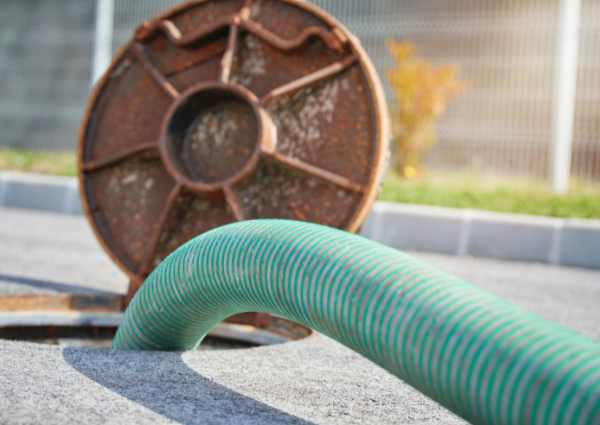
pump inside septic tank for repair

Regular maintenance is crucial to extending the life of your septic system and reducing the need for costly repairs. Proper maintenance, including regular pumping and inspections, can help your septic system last up to 40 years or even longer if well cared for.

Here’s why it matters:

While routine maintenance can help identify issues early, some emergencies may occur that require immediate repairs.

Here are some common signs that your septic tank needs repair:

You may even want to explore DIY septic tank maintenance for basic upkeep between professional visits, but major tasks should definitely be left to pros.

Reasons to Hire a Professional for Septic Tank Repair (vs. DIY)

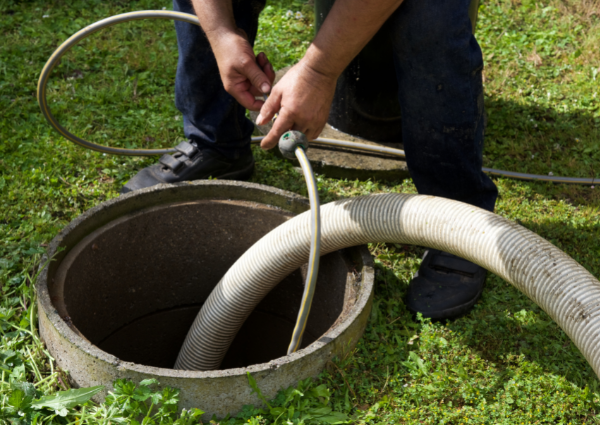
two men removing the lid of a septic tank to repair it

While some minor upkeep might seem manageable, it’s generally recommended to hire a qualified professional for septic tank repair. Here’s why:

Does Homeowner’s Insurance Cover Septic System Repairs?

Homeowner’s insurance may cover sudden and accidental damage to a septic system. For example, if a tree falls and crushes a part of your system unexpectedly. However, insurance generally does not cover damage resulting from a lack of maintenance, normal wear and tear, or pre-existing conditions. Always check your specific policy details or speak with your insurance provider.

Secure Your Septic System & Protect Your Investment

Regular maintenance, prompt attention to warning signs like a septic smell or slow drains, and professional inspections are key to preventing costly problems and ensuring your system functions effectively for years to come. To learn more about upkeep, check out these septic tank maintenance tips.

If you’re experiencing issues or want to schedule a routine inspection, don’t wait for minor problems to become major repairs. Contact us today for expert septic tank services and peace of mind!

Frequently Asked Questions

What is the average cost for septic tank repair?

The average cost for septic tank repair typically ranges from $600 to $3,000. However, this can vary significantly based on the nature of the problem, your septic tank’s size and material, and local labor costs. Your best bet is to get estimates from licensed professionals to understand your specific tank repair cost.

What factors affect septic tank repair costs?

Several factors impact the repair cost, including the type of septic system (aerobic vs. anaerobic), the tank material (concrete, plastic, fiberglass), the extent of the damage (minor fix vs. major component replacement), local labor costs, and the cost of any replacement parts like filters, pumps, or baffles. The tank size can also influence costs for certain repairs.

How often should I pump my septic tank?

Your septic tank should generally be pumped every three to five years, though you can learn more about specific pumping schedules. Regular pumping helps prevent clogs, backups, and potential damage to your septic system, keeping it running smoothly and avoiding costly repairs.

What are the signs my septic tank needs repair?

Watch out for sewage odors in your yard, standing water or soggy spots near the septic system, slow drains or plumbing backups, gurgling sounds when you flush the toilet or use water, and unusually lush grass growth over the tank or drain field. A sunken area above the tank can also indicate trouble.

Does homeowner’s insurance cover septic tank repairs?

Homeowner’s insurance might cover sudden and accidental damage to your septic system. However, it usually won’t cover damage caused by lack of maintenance, normal wear and tear, or problems that were already there before the policy started. It’s best to review your specific policy.

Is DIY septic tank repair a good idea?

It’s generally best to hire a professional for most septic tank repair tasks. DIY repairs can be risky, potentially causing more damage, leading to system failure, or posing health and environmental hazards. Professionals have the expertise and equipment to do the job safely and correctly.

Why is regular septic system maintenance important?

Regular maintenance, including pumping and routine inspections, helps your septic system last longer and significantly reduces the chance of unexpected and expensive repairs. It helps prevent clogs, ensures components are working correctly, and allows for early detection of potential issues.